Camp Leopard
Our Story
Camp Leopard was built on a simple belief that the wild should be experienced with respect, not rushed through. Every choice we make, from how we move through the park to how we build and operate, is shaped by that philosophy. It’s not a statement it’s a way of being.
I’m from Dondra Head
the southernmost tip of Sri Lanka
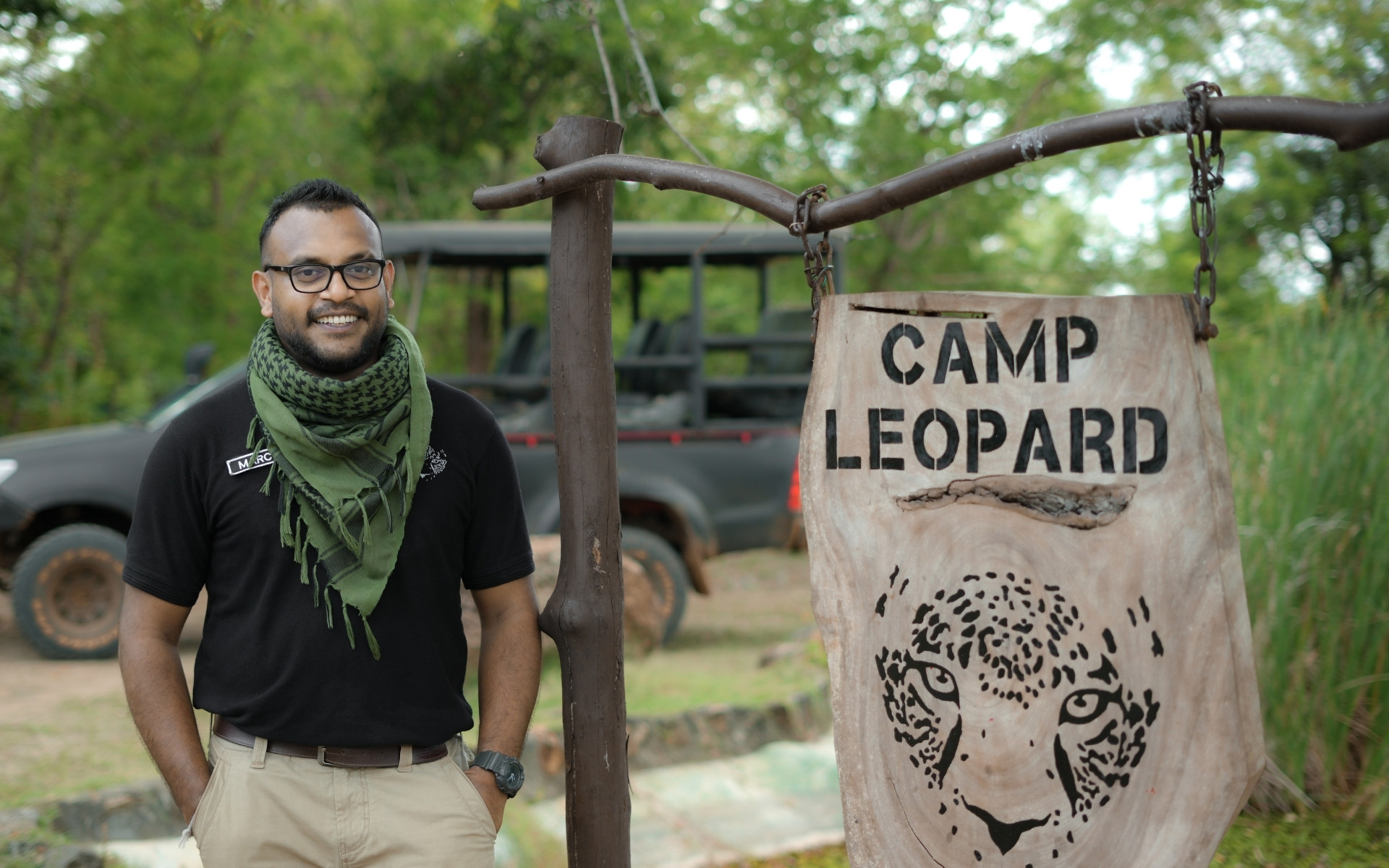
The Camp Leopard logo draws inspiration from a single encounter in the wild. In Yala’s Block 5, Marc came across a young sub-adult male leopard, later named "The Prince of Veheragala". It was a brief moment, but one that stayed. What stood out was not just his presence, but the detail a distinct 2:2 whisker spot pattern, unique to that individual. That pattern became the foundation of the mark. Subtle, intentional, and rooted in something real, the logo carries a quiet imprint of the wild a reminder of where it all began.
The Prince of Veheragala - The one that stayed
A homestay in the jungle
A Way of Being
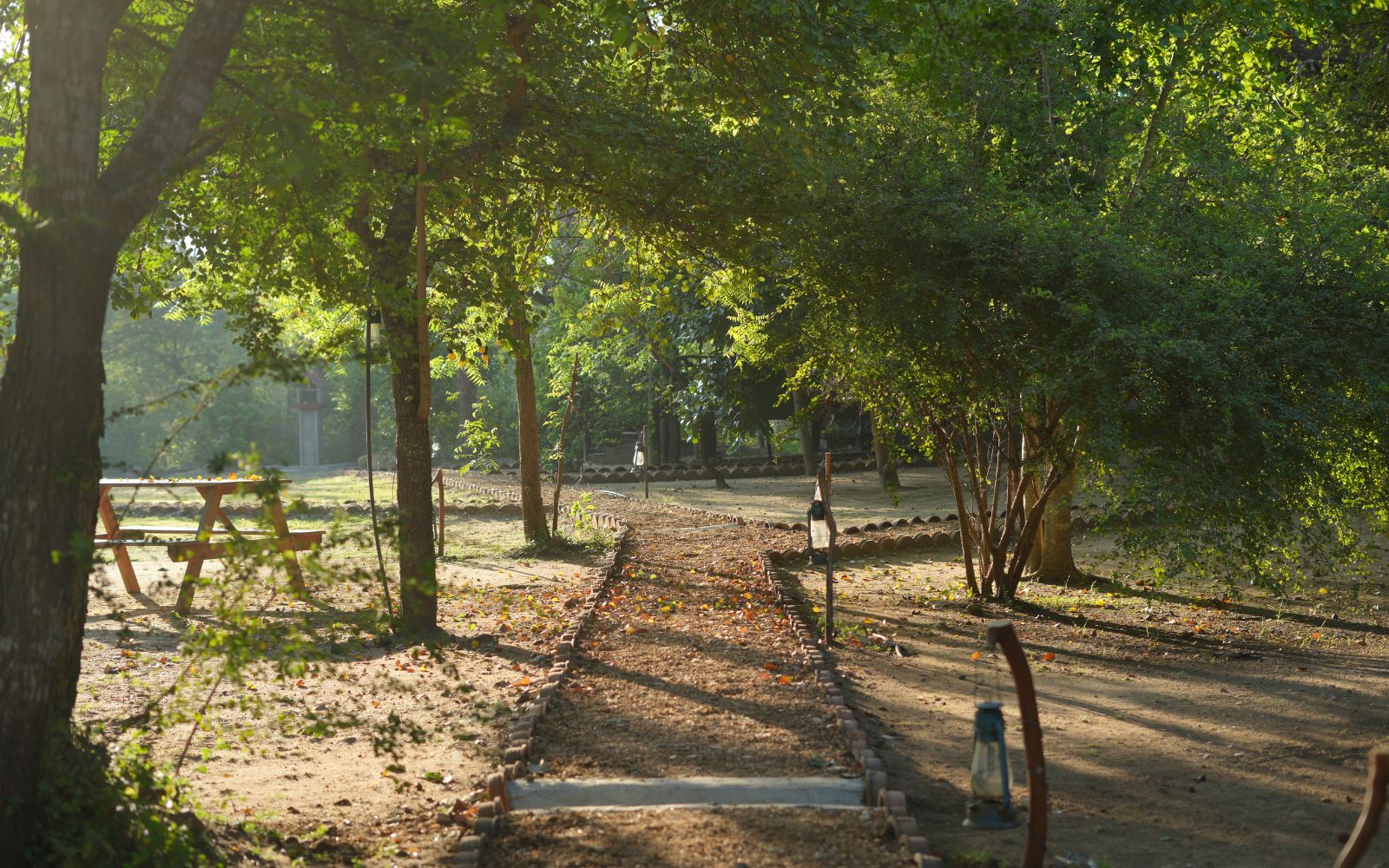
"Come as a guest. Leave as a friend"
It’s not a promise, but something that happens. What begins as a stay becomes a connection — to the land, the wildlife, and the people who make it what it is.
The people here
are everything.
That decision shaped who we are. Camp Leopard has the culture it has because we never treated the people who built it as anything other than the most important part of it.
Patience and presence,
not a checklist.
We don't chase leopards. We don't crowd sightings. Our location gives us access to quieter corners of Yala that most camps simply can't reach, and we use that deliberately. Patience and presence, not a checklist. The guests who've been with us, and the reviews they've left, say it better than we can.

Sustainability isn't
a marketing position.
We installed monkey bridges across the camp to maintain wildlife movement corridors without interruption. Elephants, leopards, and smaller species move through this landscape on routes that predate us by thousands of years. Our job is to stay out of the way of that.
Single-use plastics have no place here. We manage waste carefully, compost what we can, and treat water as the resource it is. Almost everything on your plate comes from local suppliers and the farming families in the villages around us. The artisans and makers in the surrounding communities are woven into the camp experience too, from what you find in the spaces to what you take home.
None of this is on a wall somewhere. It's just how we do things.
When you build tourism with genuine integrity,
it doesn't just feel better. It works better.
As a business, as a community asset, as something worth protecting. That lesson is what eventually took me into my role as Executive Director of The Pekoe Trail Organisation, where I'm applying the same thinking to Sri Lanka's 300km national hiking trail through the Central Highlands. Same philosophy, much bigger canvas.
The camp runs in the hands of the people I built it with. They don't need me here every day. That was always the goal.